Data MATRIX

About Data MATRIX

Data MATRIX is a renowned contract research organization that has successfully conducted hundreds of clinical trials in Eastern Europe. With a team of 130 experienced professionals, the company provides phase I-IV studies and therapeutic expertise in areas such as oncology, infectious disease, and all major therapeutic indications.

In 2007, I joined Data MATRIX as a developer after working for a year at r_keeper. The transition to this new role exposed me to a completely new set of business processes and opened up a whole new world of clinical trials.

Electronic data capture 1.0

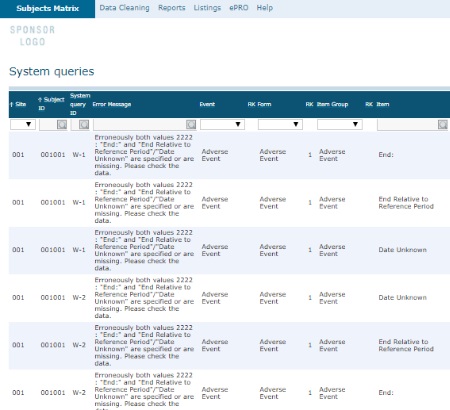
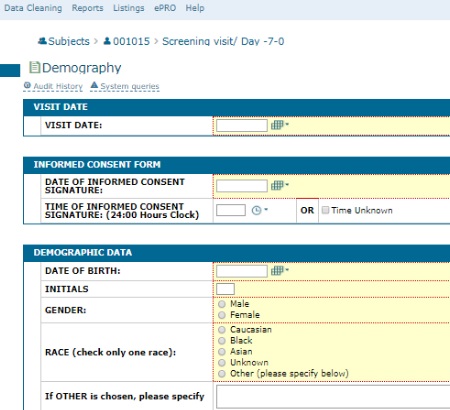
My first project at Data MATRIX was to understand and make changes to the existing EDC 1.0. Understanding the architecture of the application was one of the most challenging tasks in my career. The first level of EDC is a two-dimensional matrix that includes patients and events. Next, there is a submatrix of patients and event forms. Each form is made up of groups, and each group consists of sets of form inputs. Additionally, events, forms, and groups can dynamically change their number. Each form has a dynamic set of validation rules, and there are many other complex features to consider.
MATRIX Cloud

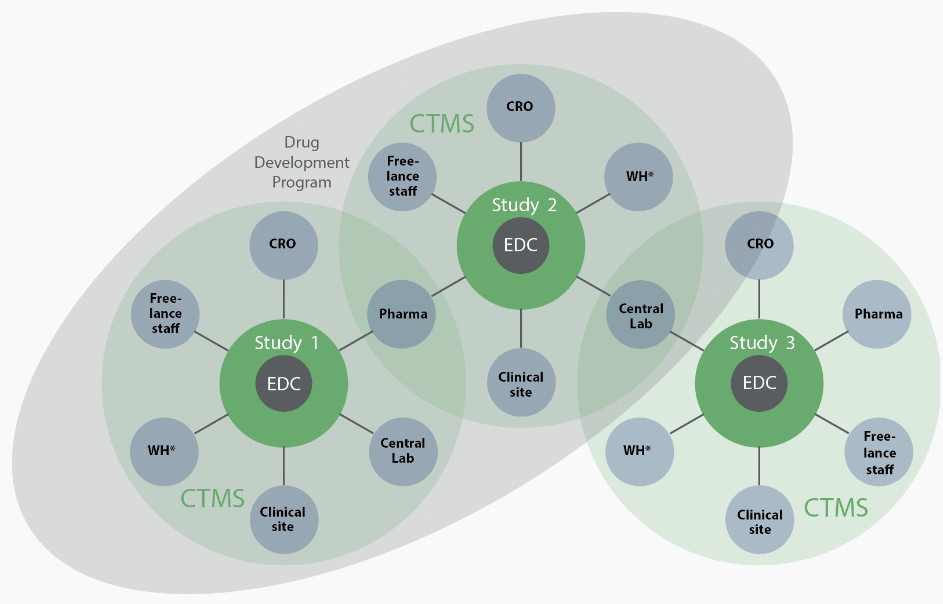
The next project I worked on at Data MATRIX was the MATRIX Cloud, which was a highly complex all-in-one SaaS solution for clinical trials. It was a multi-module, cloud-based solution that aimed to streamline and simplify the clinical trial process.
Electronic case report form designer (CRF Designer)

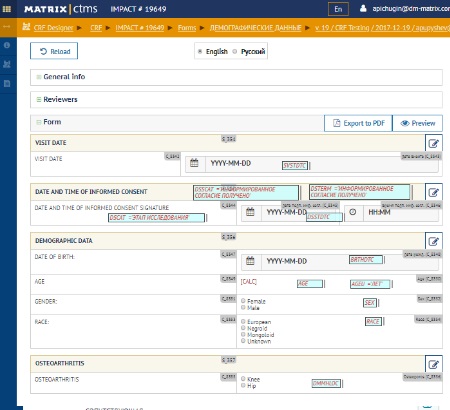
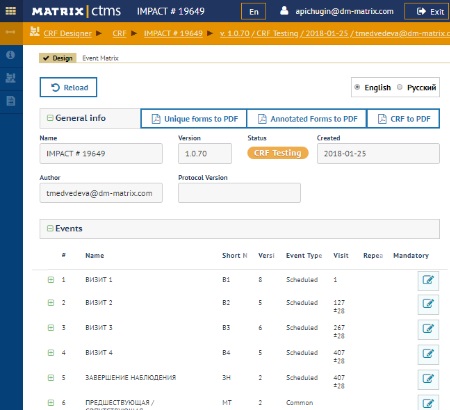
My main contribution to the MATRIX Cloud project was the development of the CRF-designer module. This application allows CRF (Case Report Form) designers to create and manage the forms used to collect data in a clinical trial in a user-friendly and efficient way. The CRF Designer provides an intuitive interface for designing forms with customizable input fields, validation rules, and branching logic. It also includes features for version control, collaboration, and multi-language support. With the CRF Designer, clinical trials can be designed and launched more quickly and with greater accuracy, reducing the risk of errors and saving time and resources.
Electronic data capture 2.0

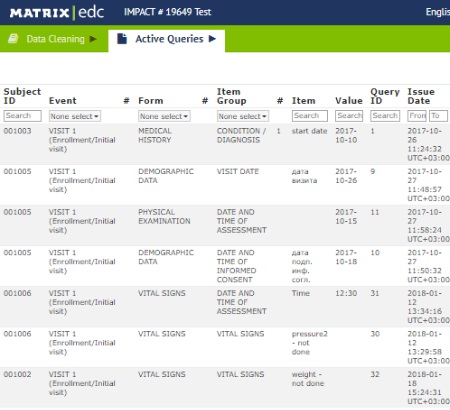
One of the modules I developed for MATRIX Cloud was the new EDC 2.0, which was built based on the forms created in the CRF Designer. In other words, the CRF Designer allowed users to design forms, and EDC 2.0 enabled them to collect and store data using these forms. This allowed for a more streamlined and efficient data collection process for clinical trials.
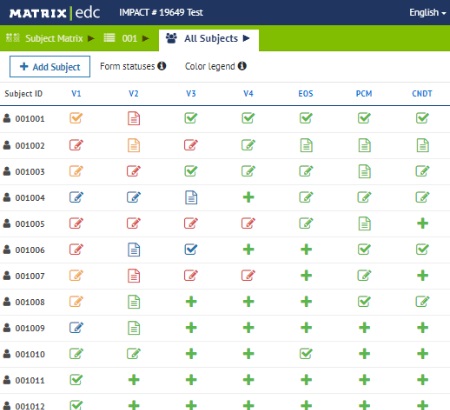
After two years of development, MATRIX Cloud was successfully released into production for conducting clinical trials related to:

Electronic Patient Reported Outcomes (ePRO)

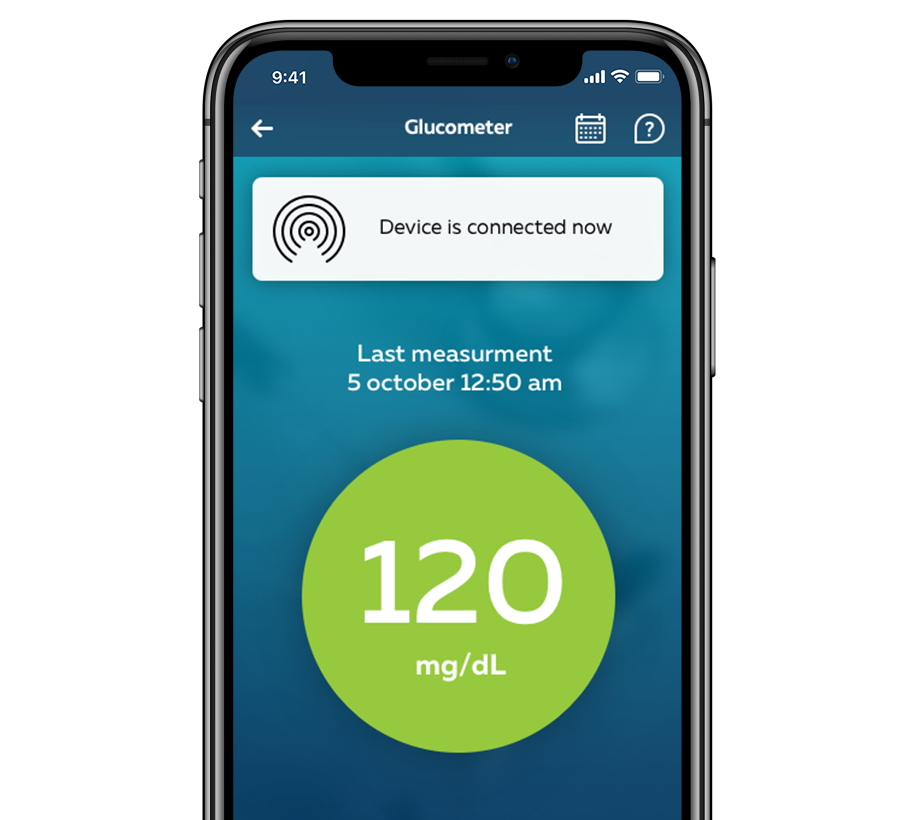
After working on the MATRIX Cloud project for 3 years, I was promoted to lead a small team of 4 people. Our team was tasked with developing an ePRO mobile application, which would allow patients to conveniently participate in clinical trials using their mobile devices.
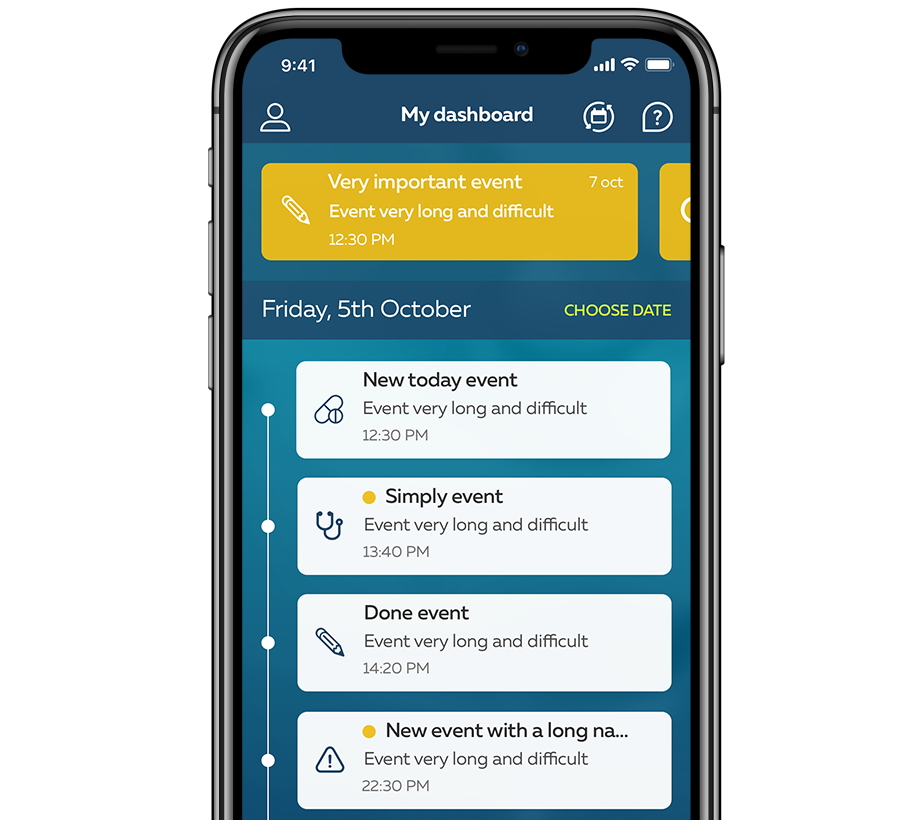
Mobile application was successfully launched on the study of: Decrease or Loss of Sexual Desire (NCT03463707)

From 2014 to 2017, DataMATRIX underwent rapid growth with the release of a new product. During this time, the company moved into three progressively better offices and increased its staff from 30 to 130 professionals. My role in the company also expanded, allowing me to develop new skills in architectural design and people management. However, in 2018, I left DataMATRIX after nearly four years of working there. It was then that my friend invited me to join him at his startup, Tenging.
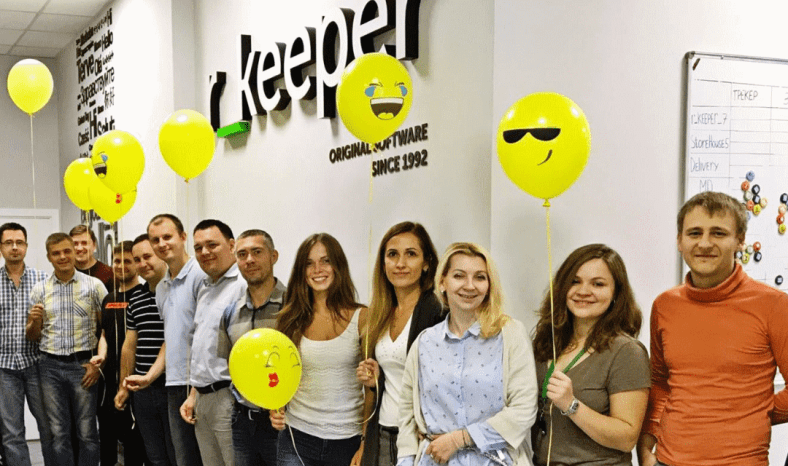
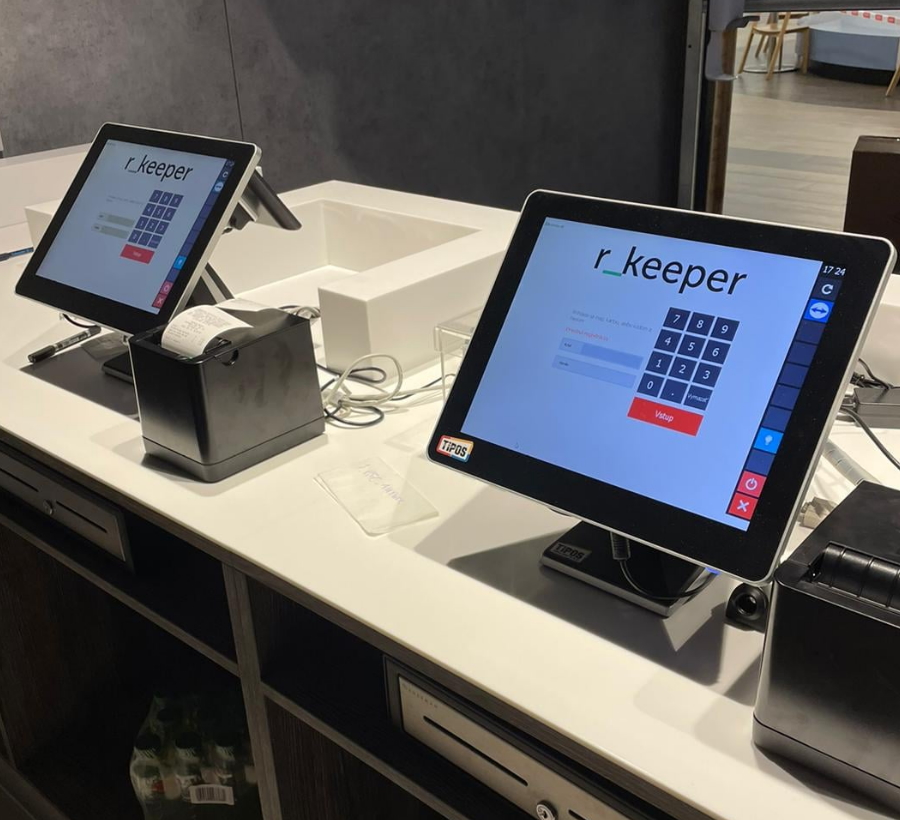
R_keeper automation system

About r_keeper

R_keeper is a leading software developer in hospitality and entertainment enterprise automation. Today, over 65,000 restaurants in 53 countries around the world use r_keeper for their business automation needs.

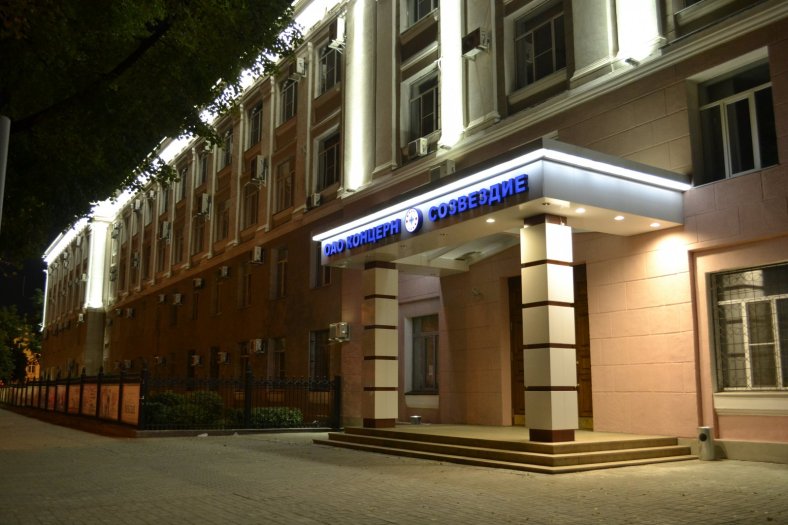
I joined R_keeperi n 2013 after working for JSC Concern Sozvezdie. At that time, the engineers at r_keeper were actively transitioning all their products from desktop versions to web and cloud-based solutions. During my time there, I gained a deep understanding of the business logic that underpins the restaurant industry.

Manager Station

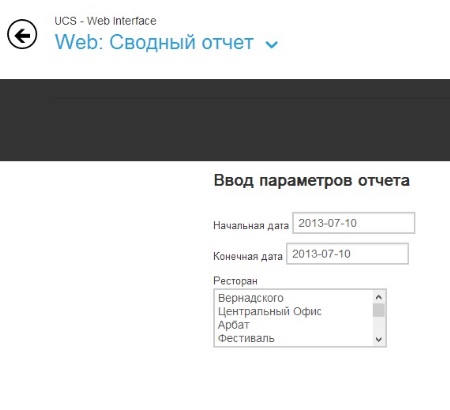
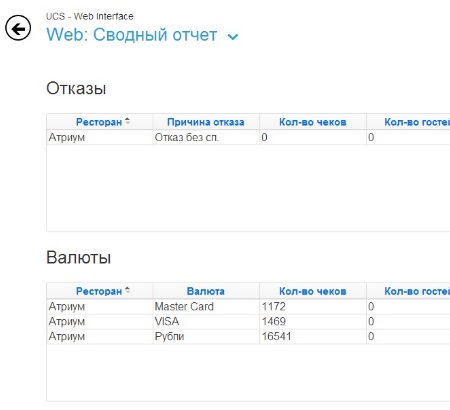
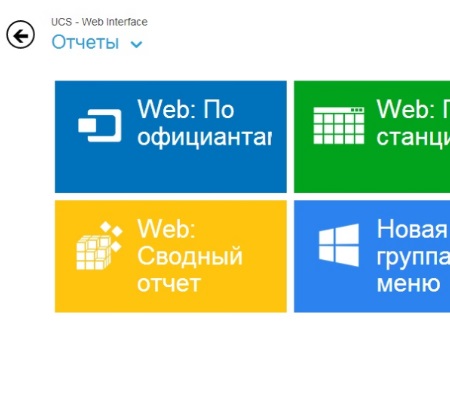
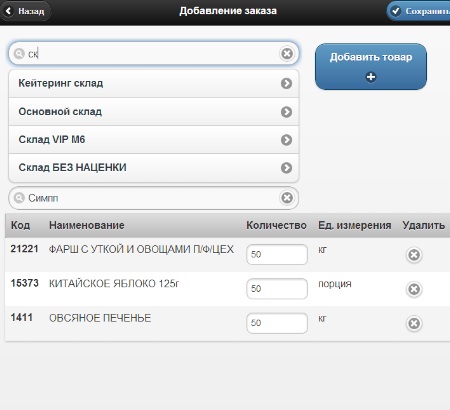
I worked on a significant project at r_keeper, called the Manager station. This software enables restaurant owners to set up point-of-sale (POS) systems, manage staff access to checkout operations, and generate reports on the restaurant’s key performance indicators.

Store House

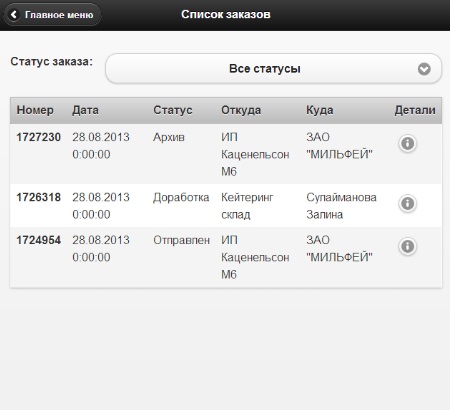
he second project I worked on at r_keeper was called Store House. This module provided comprehensive automation of production management, enabling efficient cost management, streamlined procurement processes, and enhanced staff control. By using this module, businesses could track inventory levels, analyze usage patterns, and optimize supply chain processes, reducing waste and maximizing efficiency. Overall, Store House helped businesses to operate more smoothly and effectively, and was an essential component of r_keeper’s suite of enterprise automation solutions.

During my time at r_keeper, I was able to expand my knowledge in web development, both on the backend and frontend sides. In the backend, I gained experience working with technologies such as C#, ASP.NET MVC, SOAP, XML, Fast Report, and MSSQL. On the frontend side, I deepened my understanding of technologies such as HTML, CSS, JavaScript, jqGrid, BootMetro, and jQuery Mobile.

Working at r_keeper solidified my belief that web technologies are the future, as many companies are transitioning their products to the web. I left the company in 2014 due to a relocation to St. Petersburg, where I continued my career as a full stack developer at DataMATRIX.

Kodofon

About Kodofon

Kodofon performs research and development (R&D) in broadband wireless access technologies, development and design of infocommunication systems, development of algorithms and software to create innovative products using technologies based on CDMA, GNSS, WiMAX, Wi-Fi, LTE standards.

My Journey to Kodofon

I began my career as a software engineer in Kodofon in June 2007, which was a very exciting period in my life. I was a young student with big aspirations.

During my time in university, I was determined to get a job at Kodofon. Our professor, Dr. Andrey Savinkov, who taught the Operating Systems course, worked in Kodofon as the head of department. He was the most intelligent and erudite person I have ever met, and every student dreamed of working in his department. I knew I had to stand out from the crowd, so I set out to write the best course work on the most challenging topic I could find.

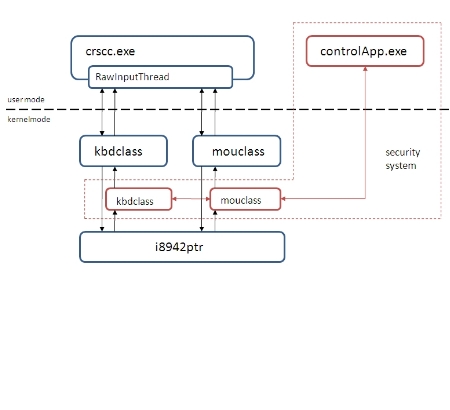
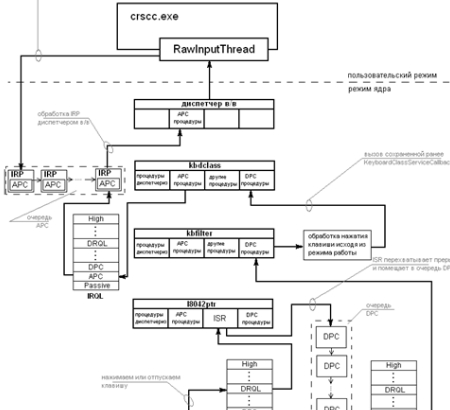
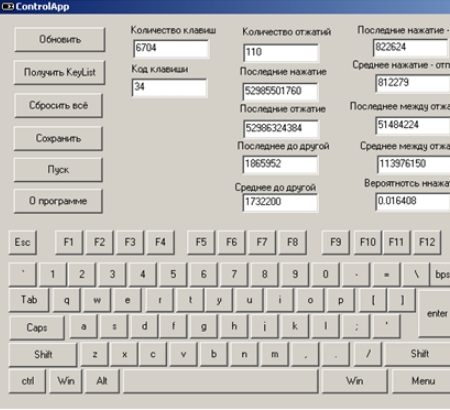
I spent three months writing my project, taking breaks only for food, sleep, and university. Two books became my new bibles: Windows Internal by Solomon and Rusinovich, and The C Programming Language by Kernighan. The title of my project was “Protection Against Unauthorized Access Based on Covert Keyboard Monitoring.” It consisted of keyboard and mouse drivers and a desktop application. In training mode, the system analyzed keyboard handwriting, while in protection mode, the system could block the mouse and keyboard on a hardware level if it determined that the keyboard handwriting did not match.

After passing my course work with excellent marks, the professor noticed me and invited me for a trial period in Kodofon. It was an incredible opportunity for me to work with smart and passionate enthusiasts. The atmosphere was electric, and I was ready to pay money to come to work. In our department, about 60 people worked, and 70% of them had a Ph.D. We had done projects for Huawei and Samsung, and I am confident that the algorithms written by our mathematicians are working in the GPS chips of millions of Samsung phones.

Vehicle tracking system

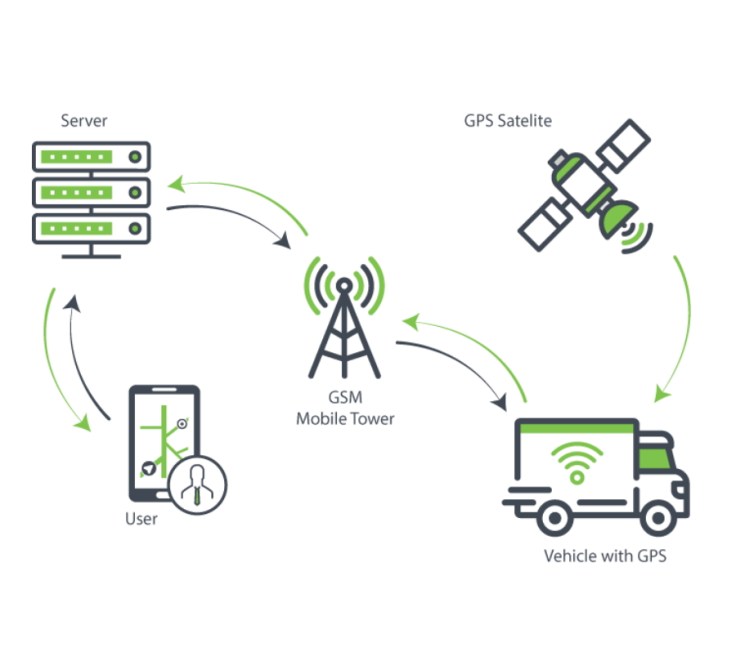
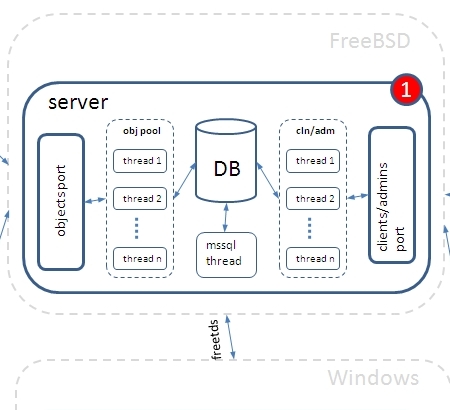
One of the projects I worked on was the Vehicle tracking system in 2008. My colleagues were talented in developing, soldering, designing, and assembling our first tracker. My part was to build the server and the client application. This time, books like “UNIX Network Programming” by Stevens and “The C++ Programming Language” by Stroustrup became my new bibles. I discovered the incredible world of TCP/IP, including protocols, threads, sockets, and routing, among other things. I wrote my first server application for FreeBSD, which could receive coordinates from trackers, store them in a database, and pass them to client applications.

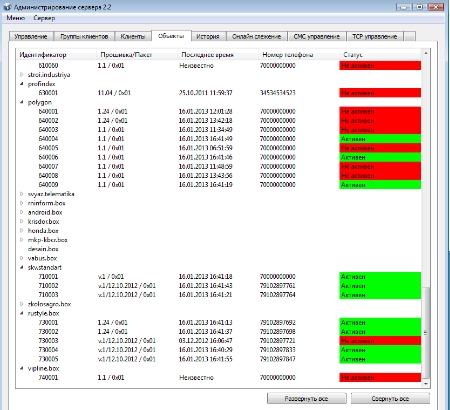
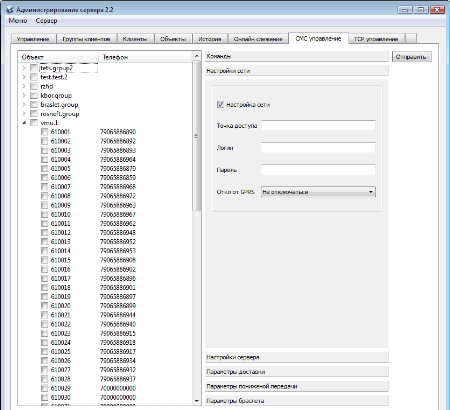
Server management application

The next step was a management application that helped administer the server application. It was written in cross-platform Qt.

Client application

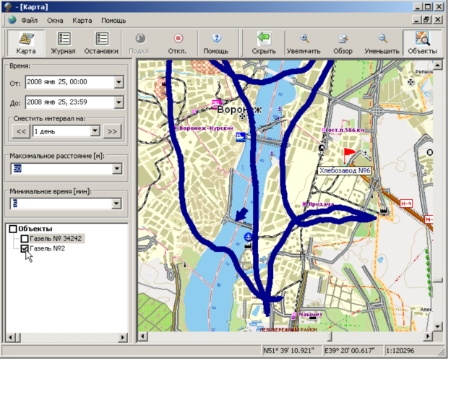
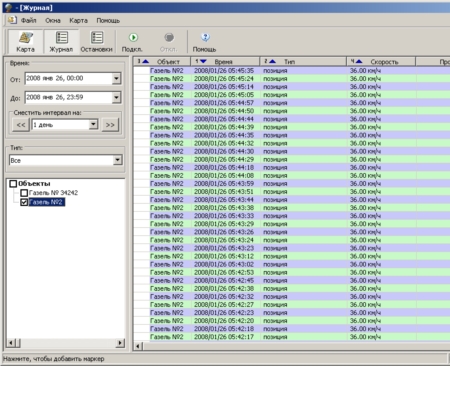
For the client side, a Win32 application was written in pure C++ and lightweight WTL. The program could display the position of the trackers on the map in real time, download the history for the selected period, analyze the data, and much more.

Mobile application

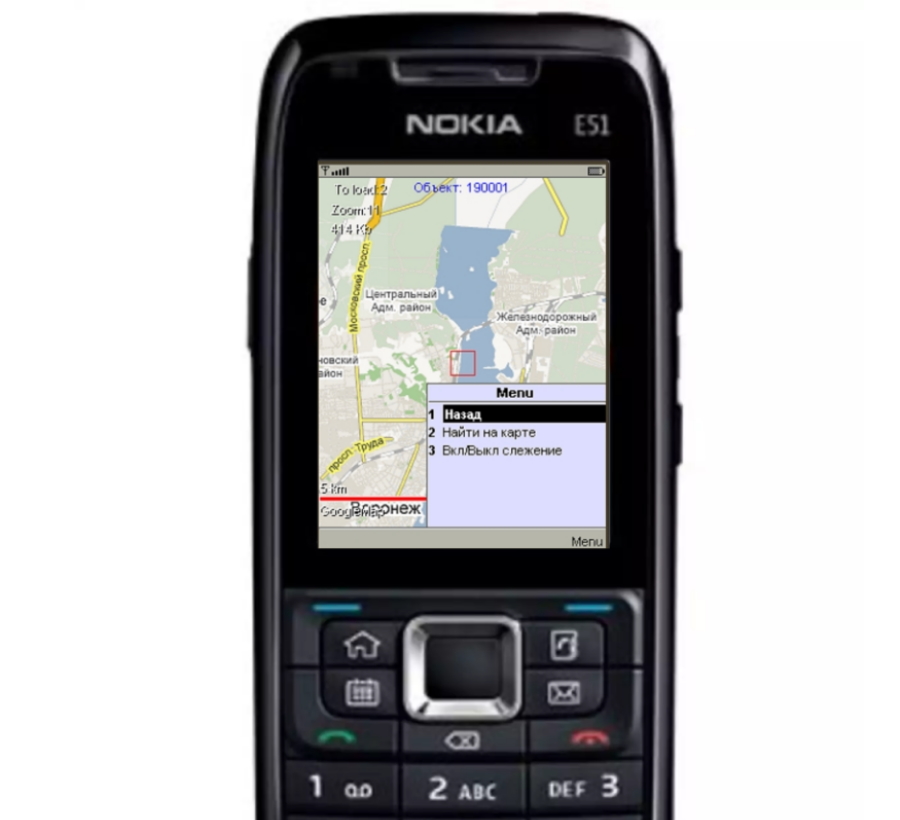
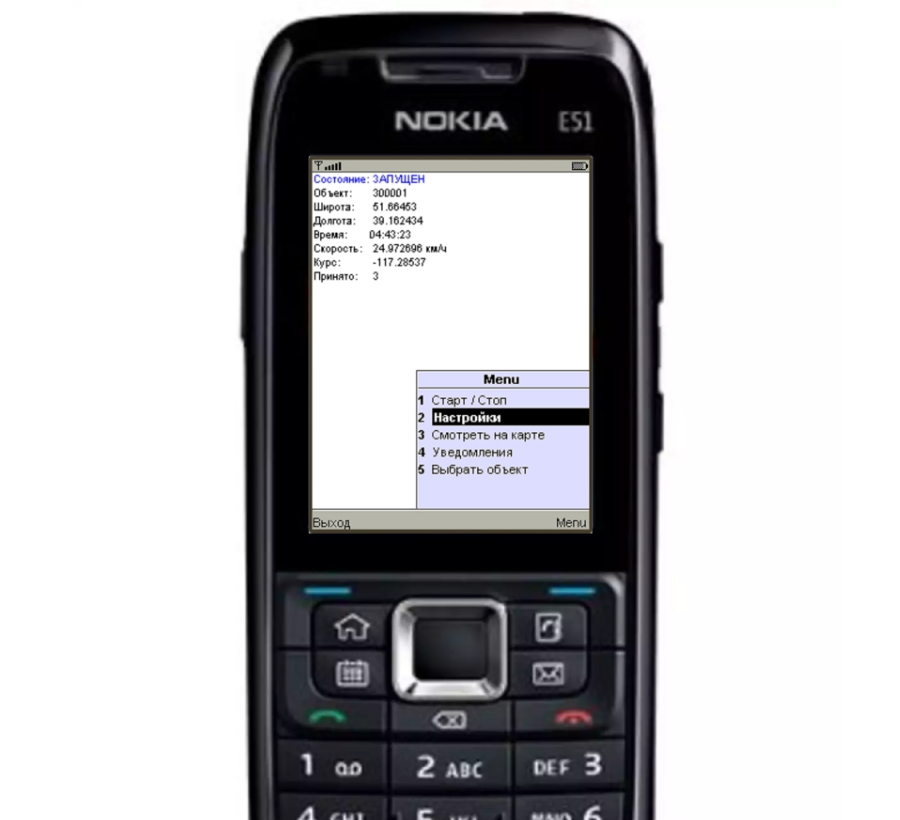
Long before the advent of Google Play and the Apple Store I developed a J2ME mobile phone client application that worked fine even on my Nokia E51.

Web interface

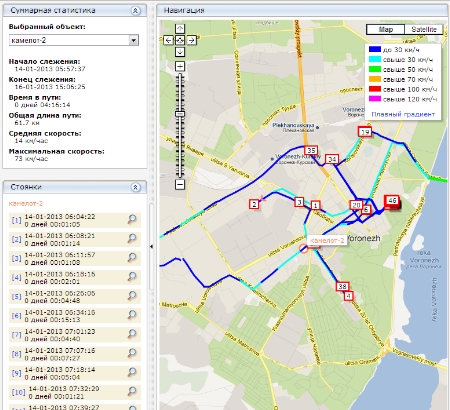
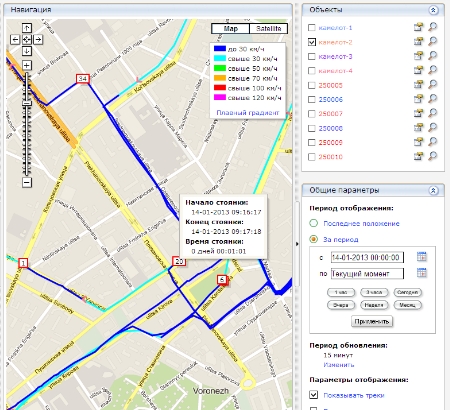
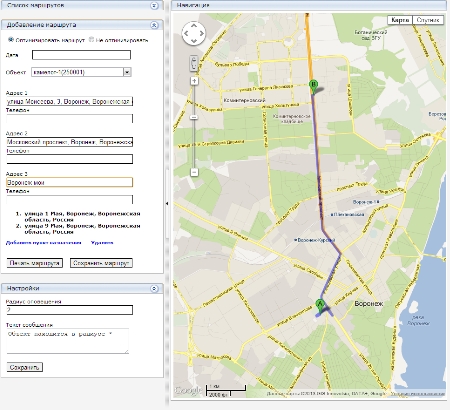
In addition to developing the server and client applications for the Vehicle tracking system project, I also had the opportunity to work on the web application. This was my favorite part of the project, as it allowed clients to easily monitor the trajectory of movements on Google Maps. It was a thrilling experience to work with web development, and it quickly became my favorite aspect of the IT field.

For the backend, I utilized ASP.NET 3.5 and connected it to MSSQL, while the frontend was developed with JavaScript and jQuery. During this time, I gained a deep understanding of web development and realized that the web is the future of technology. I knew that I wanted to be a part of that future, and I became determined to further develop my skills in web development.

Subsequently, based on my work and the work of my colleagues, a separate company was created. The operator of monitoring services named “Tracking LLC”. A huge number of contracts were concluded with public transport companies and freight operators. An agricultural module has been developed. The company has equipped combines and tractors with trackers, connected them to sensors and units and much more.

I’m proud to have helped build a successful business that brings good profits. My time at Kodofon taught me a lot about building complex systems and bringing them to life. It’s an amazing feeling to see a program you developed begin to live and benefit people. And the secret to achieving this is putting your heart into the code.

However, the most important part of the experience was the people I worked with. My colleagues were always supportive, helpful, and taught me so much. They were like a second family to me, and I’m grateful for the time we spent together during those 5 years.