
About company
Tokyo Sushi is a chain of restaurants located in Iceland. The company manages 17 different locations and employs over 100 people. The back office runs on NAV 2017 and LS Retail.
In collaboration with Tenging, I designed and developed a set of solutions to optimize Tokyo Sushi’s business processes.
Tokyo Sushi e-commerce website
One of the solutions we developed was tokyo.is, an e-commerce website that allows users to order sushi from various locations around Iceland.
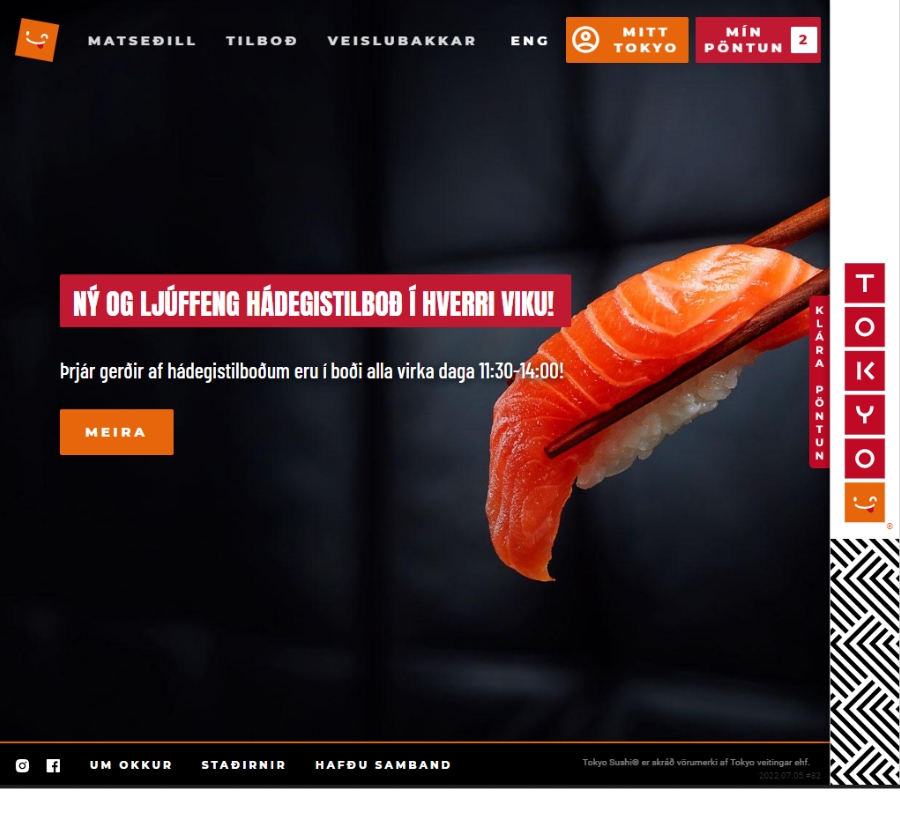
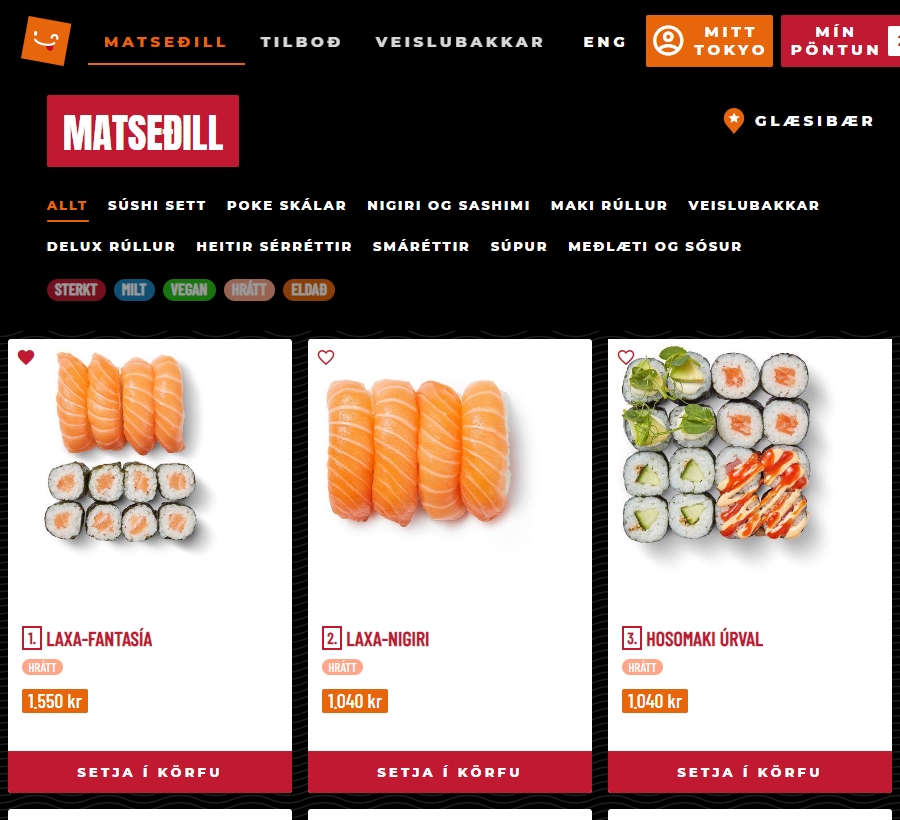
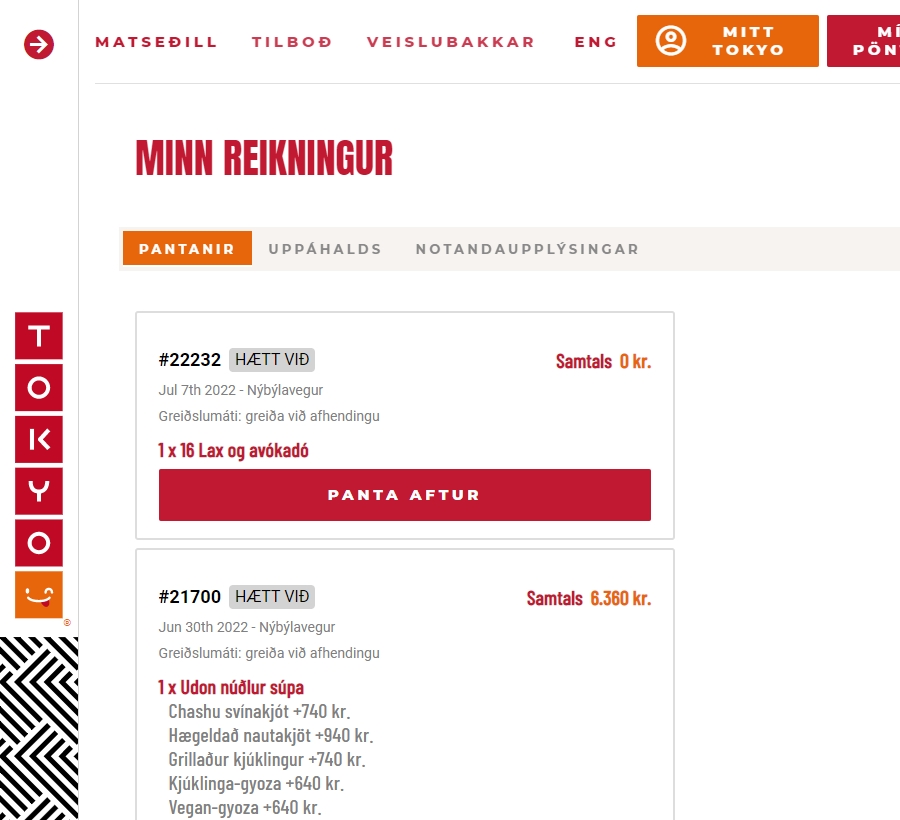
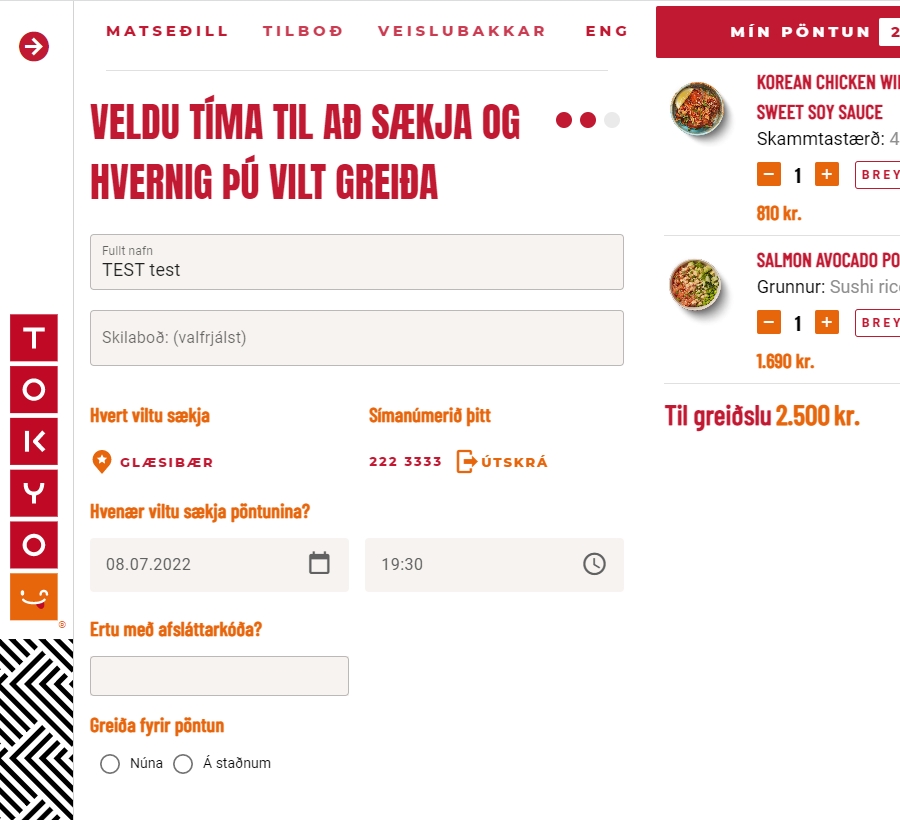
The key features of tokyo.is
- Direct interaction with NAV via .NET Core NAV middleware.
- Valitor payment integration.
- Apple pay and Google pay integration.
- E-mail and SMS notification.
- English/Icelandic language switch on the fly.
- Cross/Upselling products.
- Offers, Coupons, Discount, Mix & Match.
- Configurable store hours and pickup intervals.
- Setup Items/categories/groups from NAV.
- Manage ingredients and nutrition.
- Responsive User Interface and Kiosk-mode.
- QR Code for table menu.
- Customer order history and repeat order functionality.
- High-performance SPA based on Quasar Framework.
Tokyo Sushi Mobile Application
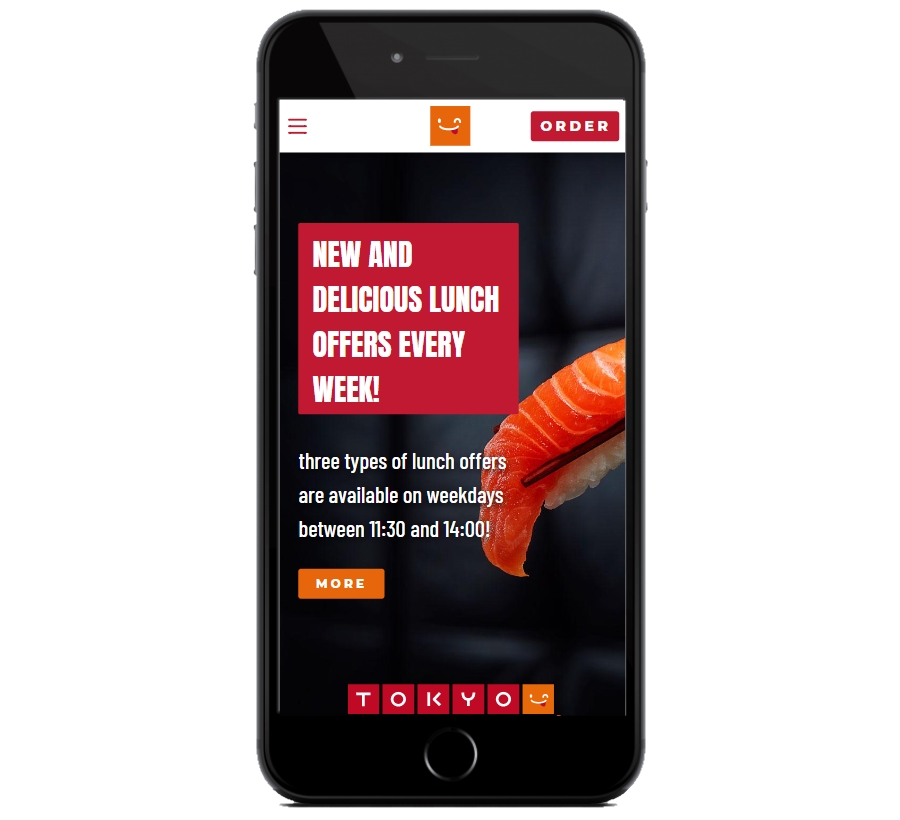
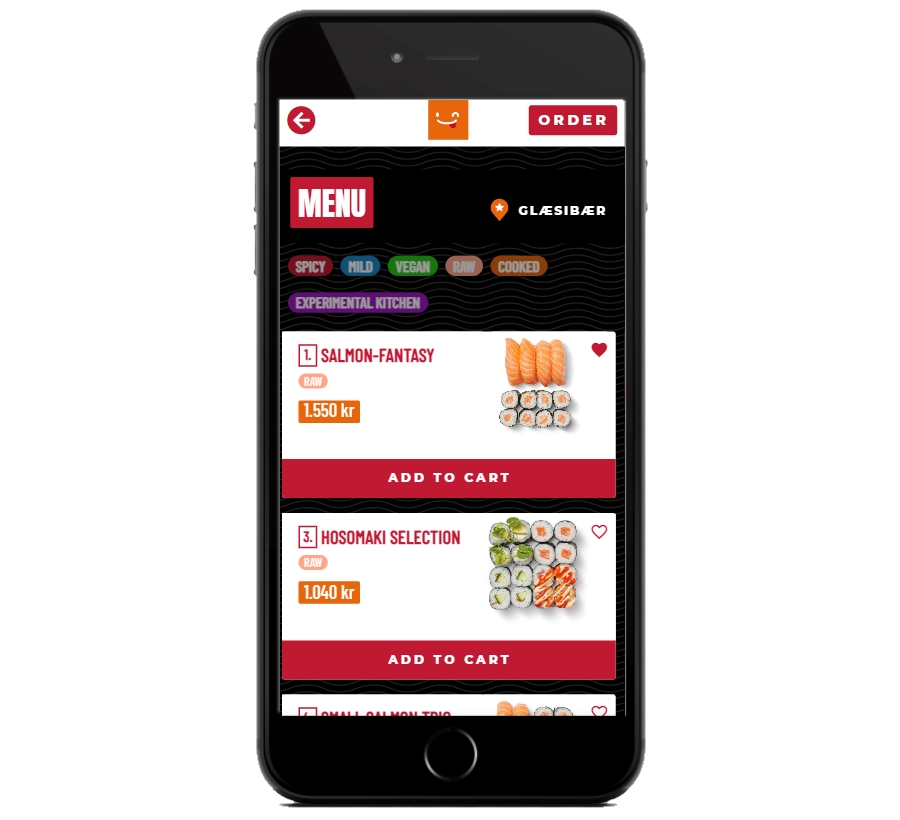
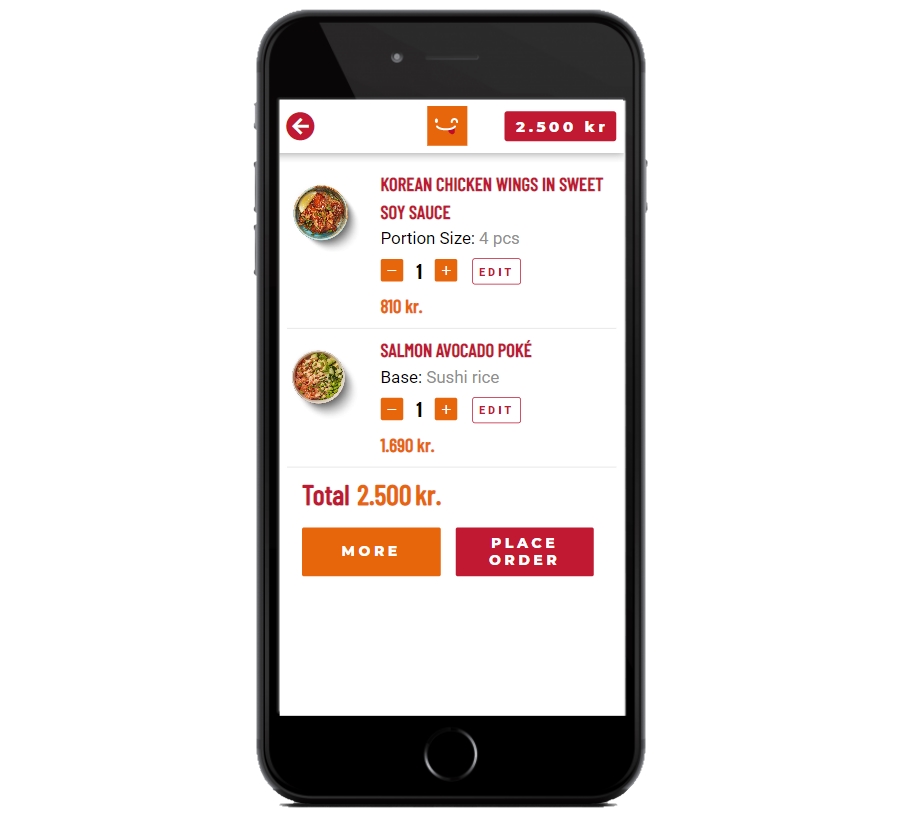
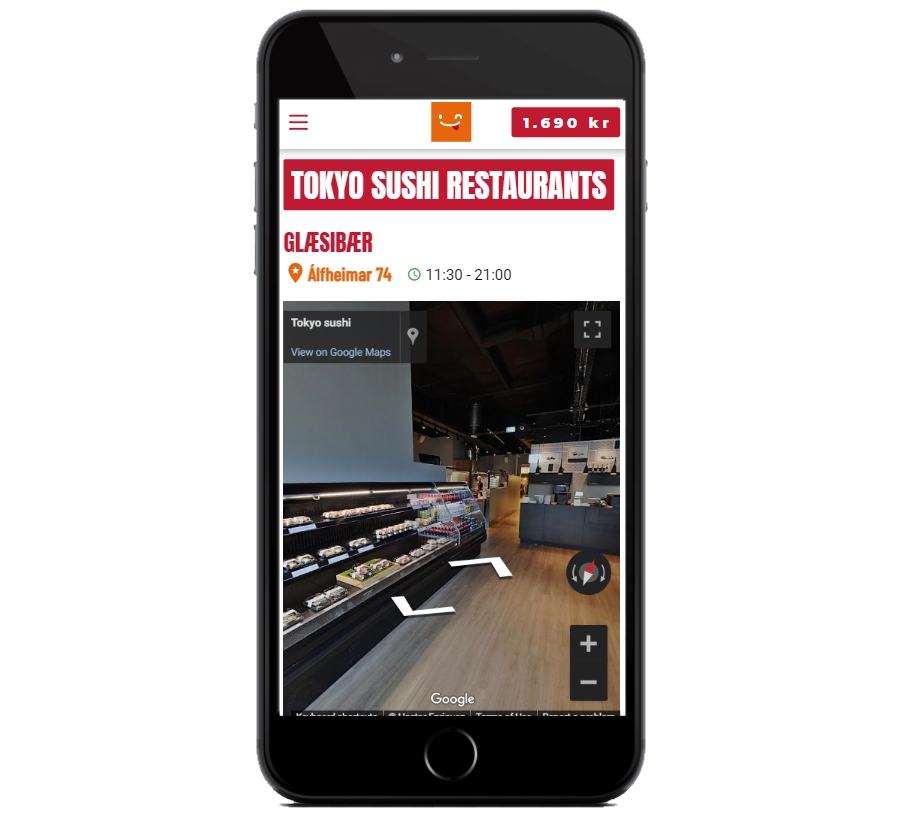
Mobile version Tokyo Sushi e-commerce website using Quasar Framework for building web/mobile/desktop application.
Tokyo Sushi self-service kiosk
A self-serve kiosk is an interactive touchscreen device that allows customers to purchase products and services without the assistance of a staff member. It incorporates a range of hardware and software components that enable customers to browse available items, place orders, and pay independently, all with just a few taps on the screen. Self-service kiosks provide a seamless and streamlined customer experience, saving time and effort for both the customer and the business.
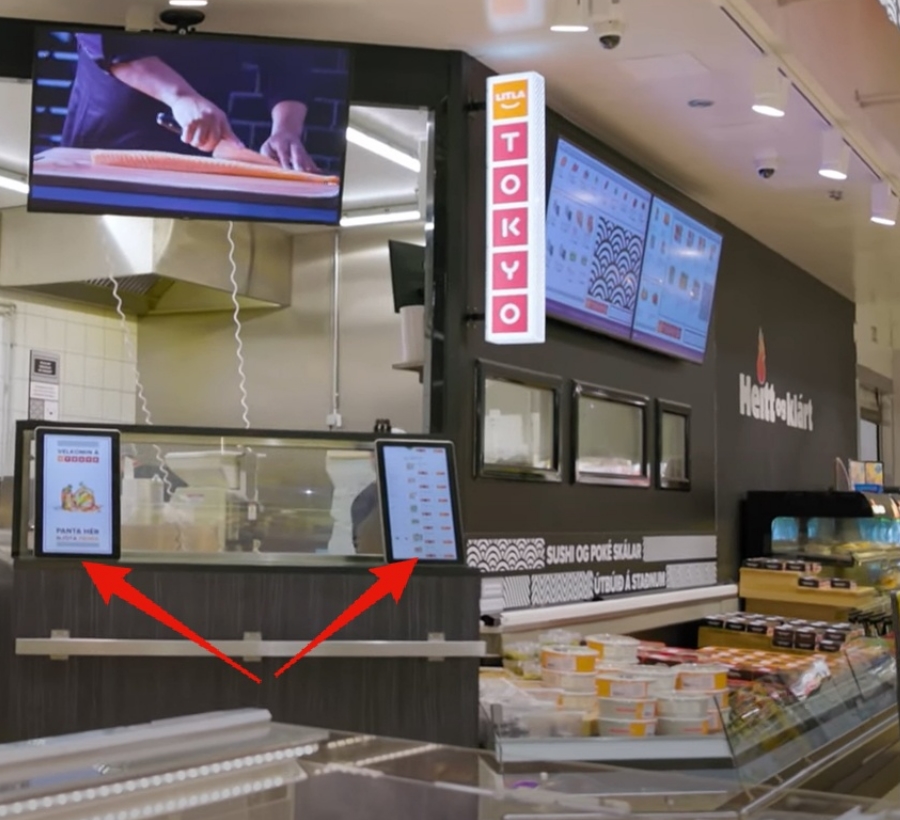
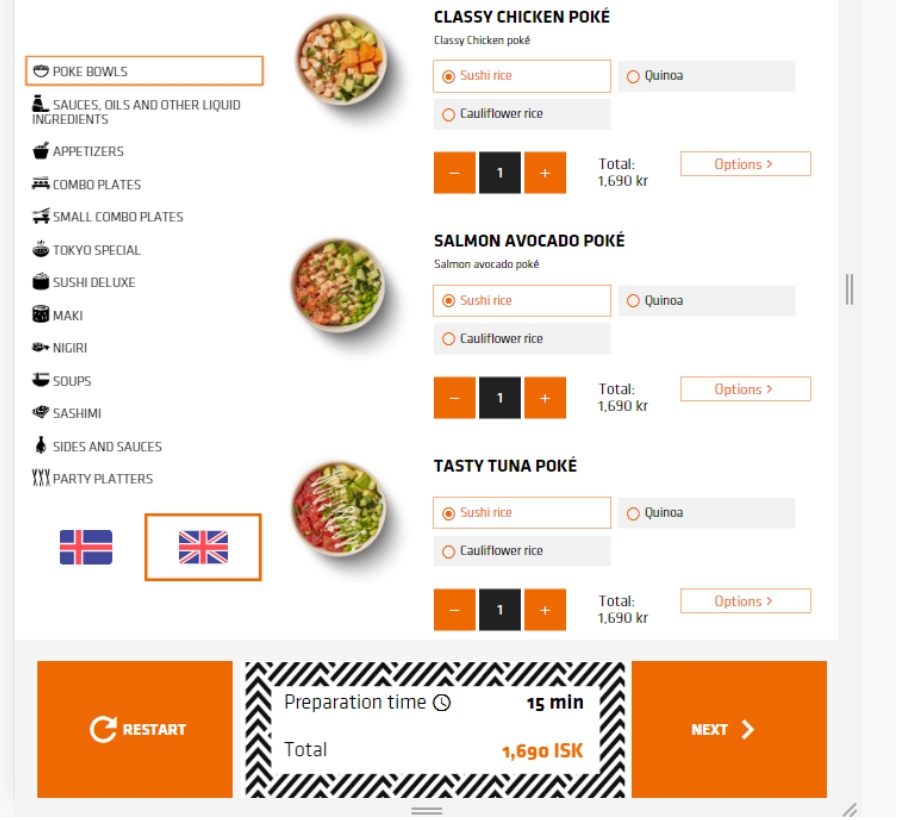
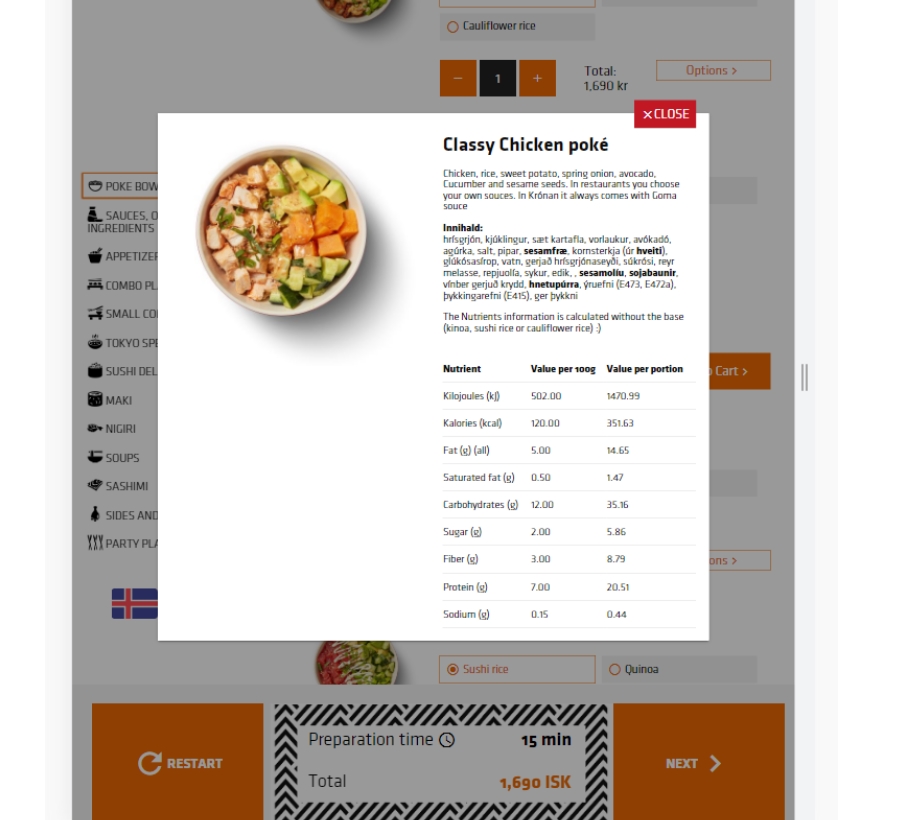
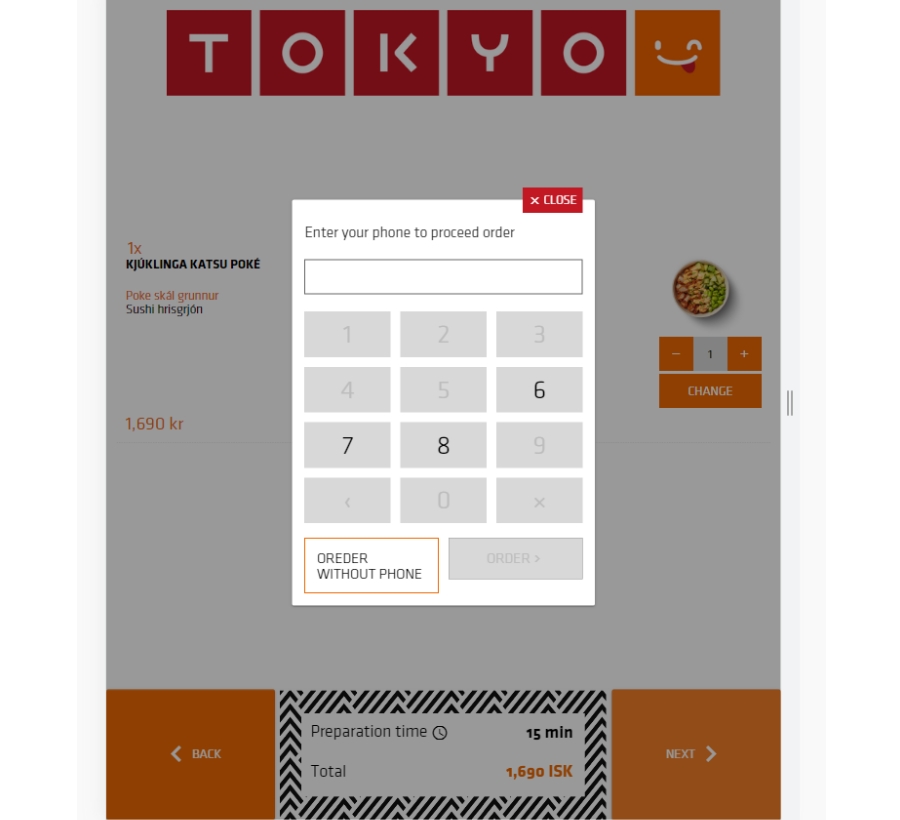
Tokyo Sushi self-service kiosks use:
- .NET Core NAV middleware to show products list and process orders.
- Elotouch as a hardware device.
- Quasar Framework for user interface.
Label printing station
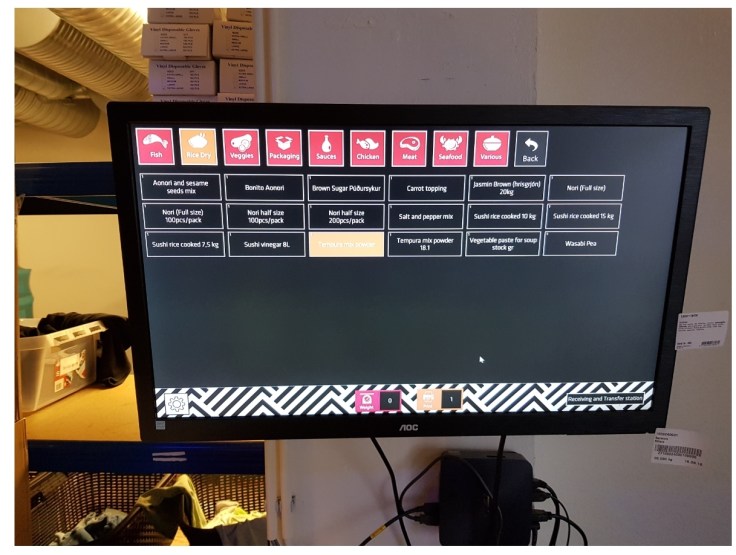
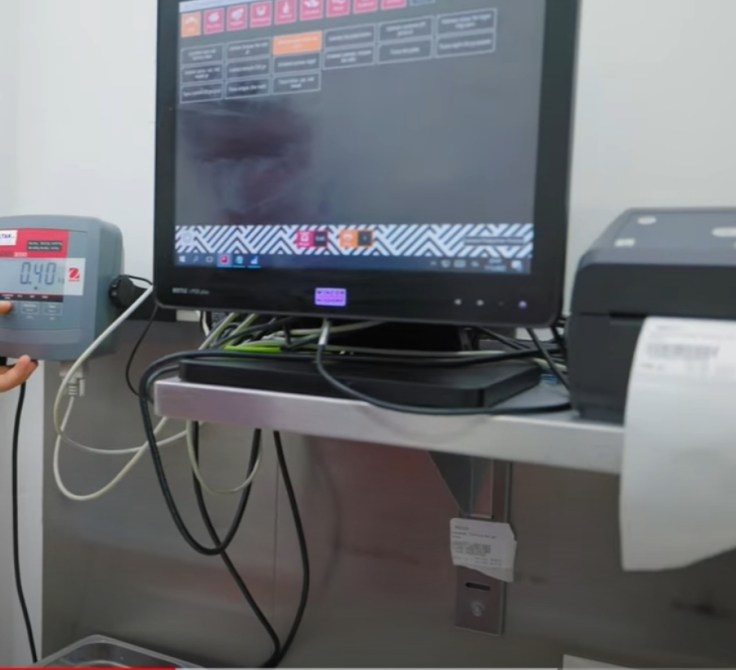
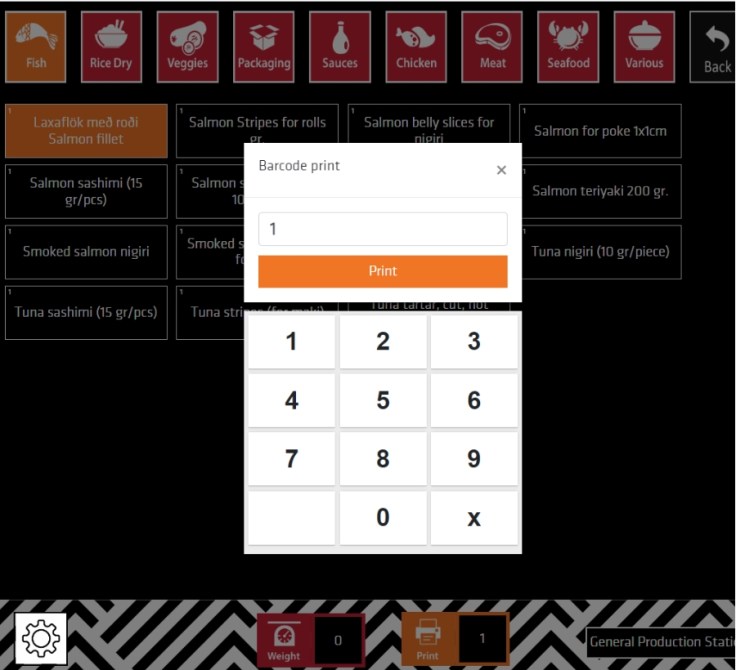
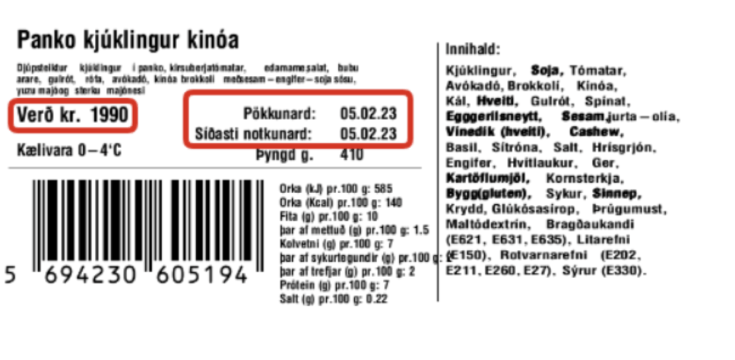
The printing station is a part of a complex, cloud-based software solution designed to optimize Tokyo Sushi’s production processes. On one side, the station receives data from NAV via .NET Core NAV middleware, and on the other side, it receives data from an electronic scale via a COM port and websockets. After receiving the data, the station combines it, generates ZPL code, and sends it to a Zebra printer to print barcode labels. This solution allows the business to instantly change prices and add new products and ingredients to the line.
My involvement in Tokyo Sushi project
- Deploy Virtual Machines for application and database layers.
- NAV middle tiers installation and configuration.
- MSSQL server installation, DB transferring, backup configuration.
- Azure VM/IIS installation and web application setup.
- Network setup, manage DNS records and SSL certificates.
- Solution architecture design.
- C/AL Codeunit development and deployment.
- API design and implementation.
- Design and development of .NET Core NAV middleware.
- NAV data configuration: item descriptions, images, translations.
- CSS/HTML template layout from Figma.
- Frontend development using Quasar Framework.
- Git source code management and solution deployment.
- Customer support, features implementation, versioning.
My involvement in label printing project
- Solution architecture design.
- COM2Websokcet windows service development.
- Design and layout ZPL labels.
- C/AL Codeunit development and deployment.
- API design and implementation.
- Design and development of .NET Core NAV middleware.
- User interface development using Quasar Framework.
- Business trip to Iceland for debugging and implementation.
 Artem Pichugin